
Welcome to the modern apothecary.
Want the science?
Plant Intelligence
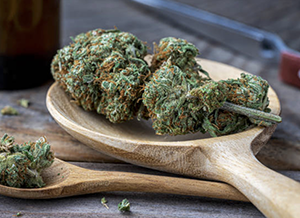
Cannabinoids, terpenes, adaptogens, & herbal compounds are nature’s most sophisticated chemistry. Cannabis is the most studied source — but the plant kingdom’s conversation with your biology runs far deeper.
Fungal Wisdom
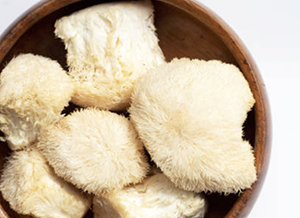
Fungi occupy their own biological kingdom — closer to animals than plants, and producing compounds that interact with human biology in ways that deserve more than a quick explanation. Coming soon, done right.
Hello world!
Welcome to WordPress. This is your first post. Edit or delete it, then start writing!
Hello world!
Welcome to WordPress. This is your first post. Edit or delete it, then start writing!

Outstanding Event services
Engage your audience with immersive
event experiences
Partner with us to create an extraordinary business
event tailored to your unique story


★★★★★
4.8 rating from 1,400+ customers

Endo: Your Inner Pharmacy
Your endocannabinoid system — the master regulator already running your body’s balancing act.
“Original and with an innate understanding of their customer’s needs, the team at Love Nature are always a pleasure to work with.”

Jane Miller
Welcome to the modern apothecary.
Plant Intelligence
Cannabinoids, terpenes, adaptogens, & herbal compounds are nature’s most sophisticated chemistry.
Fungal Wisdom
Lion’s Mane, Reishi, Chaga & others are fungi that modulate immunity, cognition, and stress response.
This isn’t a coincidence. It wasn’t bizarre at all. It was inevitable. We just found it in the wrong order.


When researchers identified cannabinoids in cannabis in the 1960s, the immediate question was unsettling: why does the human brain have receptors for a plant compound? It seemed bizarre. It took another three decades to find the answer — and what they discovered changed everything. The human body wasn’t hijacked by cannabis. It had been running its own cannabinoid system all along, built from hundreds of millions of years of shared biochemical history between animals and plants — especially cannabis. Different kingdoms, different architecture — but the same fundamental molecular language.